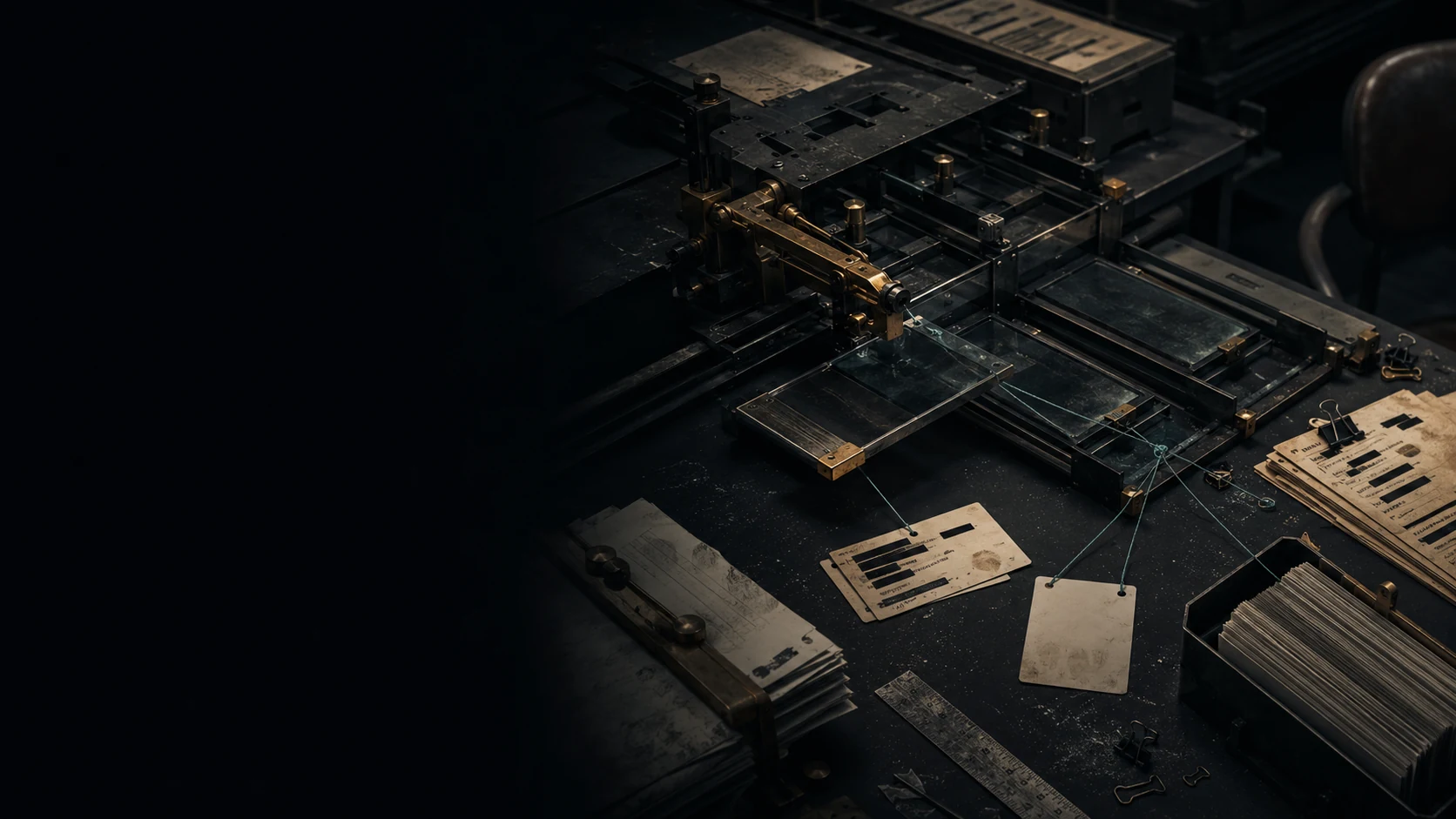
The assistant was a mouth before it became a hand.
It wrote the paragraph, summarized the meeting, classified the request, drafted the answer. It produced material. Some of it was useful. Some of it was wrong. Most of it still had to pass through a person before it touched the world.
This was the comforting stage.
The organization could call the machine an assistant because the machine still appeared in the soft space before consequence. It said things. It suggested things. It generated language.
A generated answer can be ignored.
A changed field enters the system.
It becomes searchable. Reportable. Actionable.
It tells the next person, and the next machine, what reality now is.
A mouth can embarrass an organization.
A hand can rearrange it.
The next stage is quieter. The machine is given access. Not power, at first. Power would sound dramatic. Power would require a new meeting, a new policy, a nervous sentence in a risk document.
Access is what power calls itself before anyone gets nervous.
Read this system. Update that field. Send this message. Move this case. Create this task. Close this request. Escalate this customer. Change this status.
No one authorizes autonomy in one decision.
They authorize steps.
This is how the machine enters the organization as permitted movement inside ordinary systems. The hand does not choose the desire. It gives the desire a route.
For a while this will look like efficiency.
The old workflow was slow because language kept meeting people who knew it was not finished. Someone read the request. Someone asked what it meant. Someone noticed that the requirement was not a requirement yet, only a wish with formatting.
This delay was expensive.
It was also interpretation.
A ticket moves slowly because reality has not finished entering it. The developer, the analyst, the product owner, the person who has seen the same promise fail twice before, all stood in the path between desire and system change.
They were not always wise.
Still, they created friction.
Friction is easy to insult when it stands between a promise and delivery. It looks like waste from a distance. It looks like delay on a dashboard. It looks like the human part of the machine failing to keep up.
Sometimes it is.
Sometimes friction is the last remaining contact with what the organization actually means.
The agent arrives without embarrassment. It reads the request as work. It decomposes the task. It translates vague intention into executable fragments. It does not feel the missing meeting. It does not suspect that the requirement is a negotiation pretending to be a sentence.
It helps.
That is the problem.
It does not only execute the request.
It decides what the request must have meant.
The obedient machine has grown a hand.
It no longer only follows the goal. It follows the artifact. The case. The field. The workflow. The promise that became structured enough to move, but not true enough to deserve movement.
The machine is not given power over the organization.
It is given permission to believe the organization.
The organization believes it has accelerated delivery.
It has also accelerated the consequences of unclear meaning.
A workflow still remembers the idea of an ending. Work enters, changes hands, waits, breaks, returns, gets clarified, moves again. The line is imperfect, but it is visible. Someone can point to where the work stopped. Someone can ask why.
A loop is different.
The output becomes the next input. The update changes the recommendation. The recommendation creates the action. The action changes the system. The system teaches the next action what reality now looks like.
The loop is where action starts manufacturing its own next reason.
At that point, the organization is no longer only automating work.
It is automating momentum.
The old promise was human in the loop. The new reality is more precise and less comforting. The human remains accountable, but later. After the status changed. After the message was sent. After the customer was routed. After the system learned from its own movement.
Responsibility has not disappeared.
It has been placed downstream.
This will not look like catastrophe. Catastrophe is too theatrical. It will look like a product becoming stranger, faster. A service growing around every promise no one had the courage to refuse. A process correcting itself toward the wrong center. Software expanding in the shape of organizational optimism.
The machine will not need to rebel.
It will need a backlog.
It will need access.
It will need a loop.
Many organizations will celebrate the disappearance of delay before they understand what the delay was protecting. They will see motion and call it progress. They will see fewer meetings and call it maturity. They will see work moving through the system and forget that work can move in the wrong direction.
Running in the wrong direction is still speed.
The dashboard will not know the difference.
It only records that the hand moved.